
Popular Solutions For Radiant Heating Installations You Can Trust
Discover the most sought-after products that ensure seamless installation and long-lasting radiant heating performance.
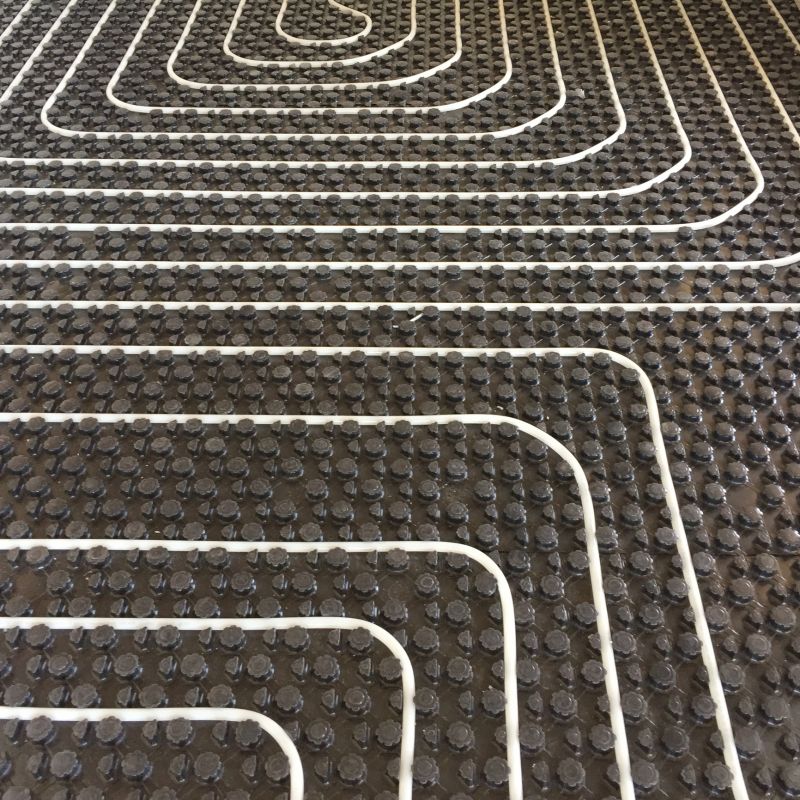 Radiant heating systems are an efficient way to provide consistent and comfortable warmth within residential and commercial spaces. These systems work by emitting heat directly from a source into the floor, wall, or ceiling, creating a uniform temperature distribution that can enhance comfort levels. Installing radiant heating involves selecting appropriate products that suit the specific needs of the space, whether it be hydronic tubing embedded in floors or electric mats laid beneath surfaces. The variety of options available allows for customization based on the building structure, insulation, and desired heating zones.
Top Overall Option
Electric Radiant Heating Mat
Electric radiant heating mats are versatile and straightforward to install, making them a popular choice for various applications. They are designed to be laid beneath flooring materials such as tile, laminate, or carpet, providing even heat distribution across the surface. These mats typically come with pre-spaced heating cables embedded in a flexible mesh, simplifying the installation process. They are suitable for both small renovation projects and larger new constructions, offering a convenient way to add radiant warmth without extensive modifications. Their compatibility with different flooring types, combined with user-friendly installation, makes them a reliable option for many spaces.
Types of Products For Radiant Heating Installations
Hydronic Tubing
Flexible plastic tubing used in hydronic radiant systems, often embedded in concrete or subfloor layers to circulate heated water.
Electric Heating Cables
Self-regulating cables designed for installation under various flooring types, providing direct electric heat.
Electric Radiant Heating Mats
Pre-wired mats with embedded cables, ideal for quick installation under flooring surfaces.
Infrared Heating Panels
Wall-mounted panels that emit infrared radiation, heating objects and people directly.
Floor Heating Films
Thin, flexible films embedded with conductive material, suitable for installation beneath thin flooring layers.
Hydronic Boilers
Water heating units that circulate heated water through hydronic tubing for radiant floor systems.
Thermostats and Controls
Devices that regulate temperature and manage zones within radiant heating systems for optimal comfort.
Installation Accessories
Clips, connectors, and insulation materials that facilitate proper installation and efficiency.
Reflective Barriers
Materials placed beneath radiant heating elements to direct heat upward into the living space.
Sensor Probes
Temperature sensors used to monitor and optimize system performance.
Popular Choices
Widely used for their flexibility and ease of installation across different flooring types.
Complete kits that include tubing, manifold, and controls for hydronic radiant systems.
Compact panels that provide direct heat and are suitable for various room sizes.
Flexible mats with embedded cables that adjust heat output based on temperature.
Thin, easy-to-install films ideal for retrofit projects under existing flooring.
Smart thermostats that enable zone-specific temperature management.
Compact units designed to supply heated water for hydronic radiant systems.
Insulation panels that improve energy efficiency by reducing heat loss.
Devices that monitor system temperature for precise control.
Thermostats that specifically regulate floor temperature for comfort and safety.
When choosing products for radiant heating installations, considerations include compatibility with existing infrastructure, ease of installation, energy efficiency, and durability. Hydronic systems often utilize flexible tubing that can be integrated with boilers or water heaters, while electric options typically involve mats or cables that are straightforward to install in various flooring types. Proper selection ensures optimal performance and longevity of the heating system, contributing to a comfortable environment.
Maintenance and safety features are also important factors. Many modern products incorporate features that facilitate easier installation and troubleshooting, as well as safety mechanisms to prevent overheating or electrical faults. Additionally, the choice of product can influence the overall cost of installation and operation, making it essential to evaluate options carefully. Whether upgrading an existing space or designing a new build, understanding the range of available radiant heating products can help in making informed decisions tailored to specific needs and preferences.
Key Buying Considerations
- Compatibility with existing flooring materials and subfloor structure
- Type of radiant heating system suited to your space (electric vs hydronic)
- Ease of installation and whether professional assistance is recommended
- Energy efficiency ratings and potential operational costs
- Available control options, including programmable thermostats
- Durability and lifespan of the heating elements or tubing
- Safety features such as overheat protection and electrical safeguards
- Flexibility for zoning or individual room control
- Size and coverage area of the heating product to match your space
- Ease of maintenance and accessibility for repairs
- Installation requirements, including insulation and surface preparation
- Compatibility with flooring thickness and type
- Warranty and manufacturer support
- Cost considerations, including initial investment and long-term savings
- System responsiveness and heating speed