Optimal Timing for Radiant Heating Installations
The optimal time for radiant heating installations depends on several factors including climate, existing heating systems, and construction schedules. Typically, installation is most efficient during the warmer months when interior temperatures are moderate, allowing for easier setup without disrupting daily activities.
Installing radiant heating in spring allows for completion before the colder months, ensuring comfort when temperatures drop.
Summer offers easier access to spaces and less interference with ongoing activities, facilitating a smoother installation process.
Fall installations prepare a space for winter, but may require expedited scheduling to ensure system readiness.
Installing during winter can be more complex due to cold weather, but it ensures immediate use once completed.
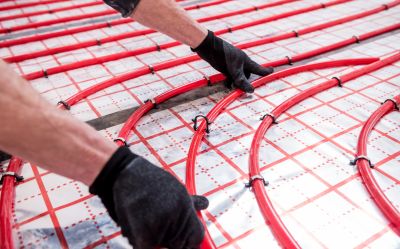
A detailed view of the pipes and panels used in radiant heating systems.
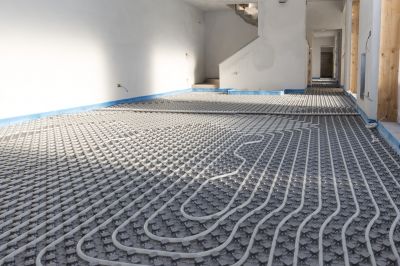
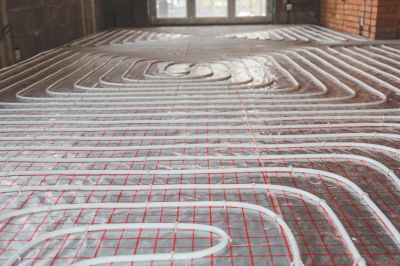
Technicians installing radiant heating panels in a residential space.
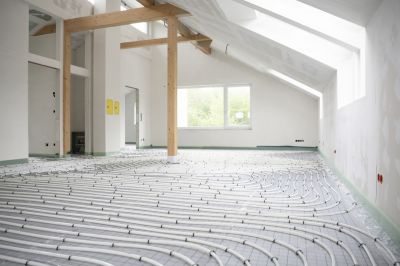
Completed radiant heating setup ready for operation.
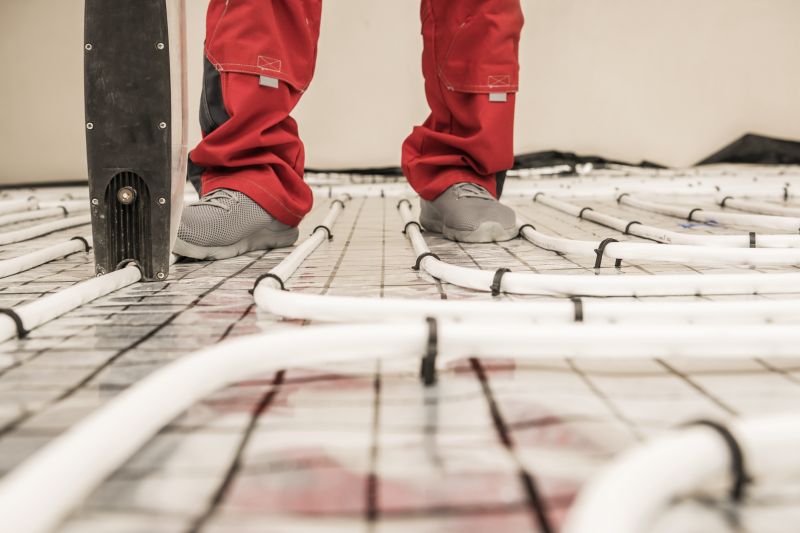
A cozy living room featuring radiant heating panels on the ceiling.
Radiant heating systems provide efficient and uniform heat distribution by warming floors, walls, or ceilings directly. These systems are known for their ability to improve indoor comfort and reduce energy consumption compared to traditional forced-air systems. Installation methods vary, including hydronic (water-based) and electric options, each suitable for different building types and heating needs.
Statistics indicate that radiant heating can reduce heating costs by up to 25 percent when properly installed and maintained. Its silent operation and absence of ductwork make it an attractive choice for various applications, from residential to commercial buildings. Proper timing for installation ensures optimal performance and minimizes disruptions during the process.
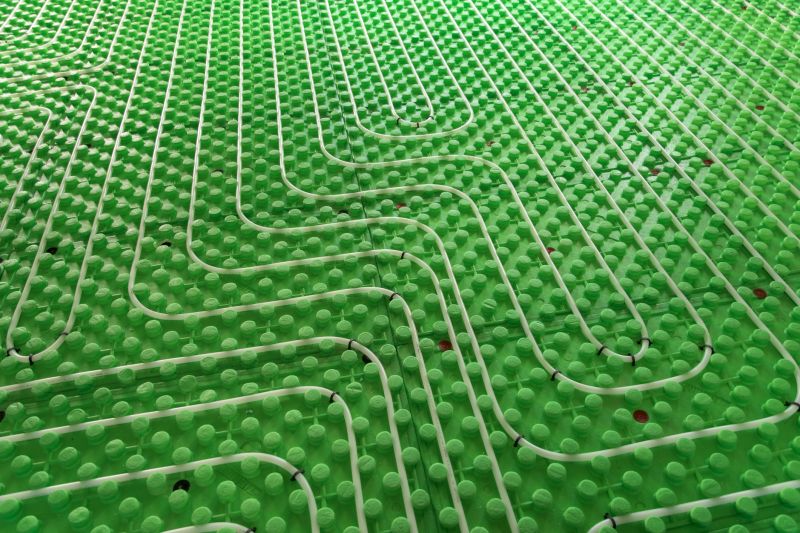
Pipes circulating hot water beneath the floor surface.
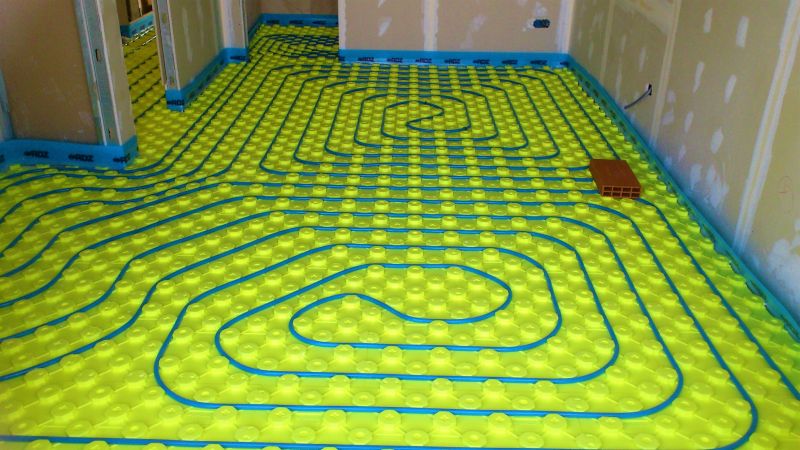
Electric mats installed under flooring for quick heating.
Smart thermostats managing radiant heating zones.
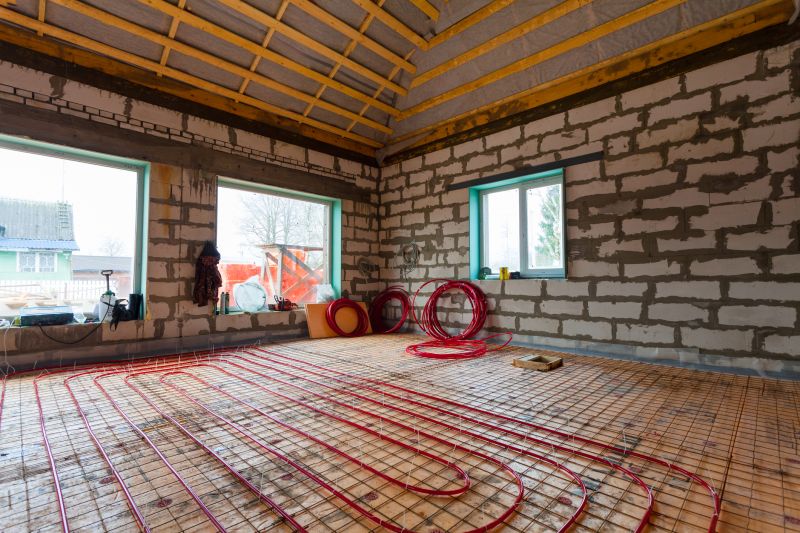
Systems designed for maximum efficiency and comfort.
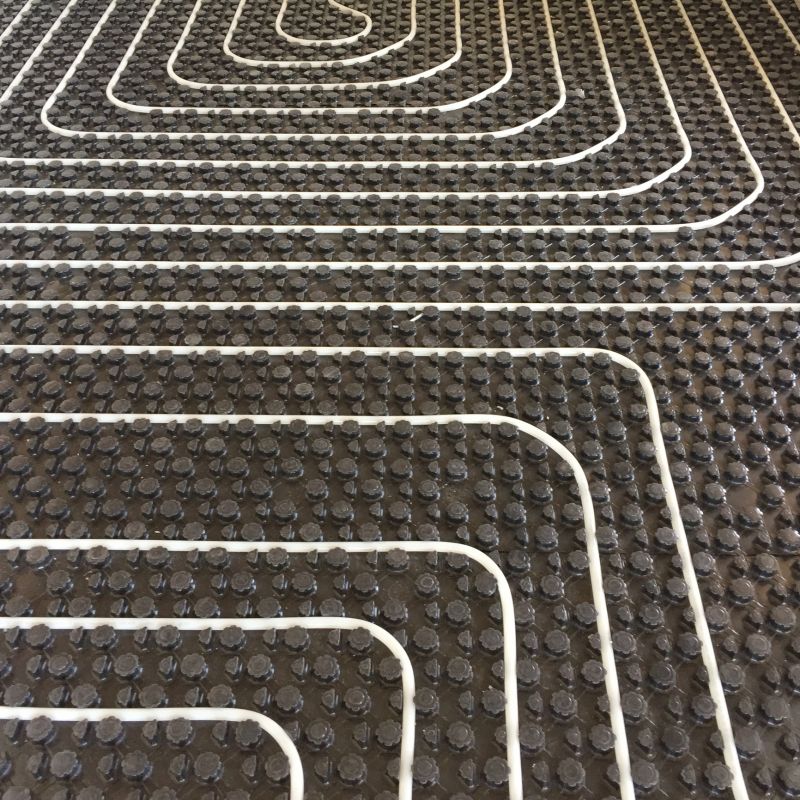
Ways to make Radiant Heating Installations work in tight or awkward layouts.
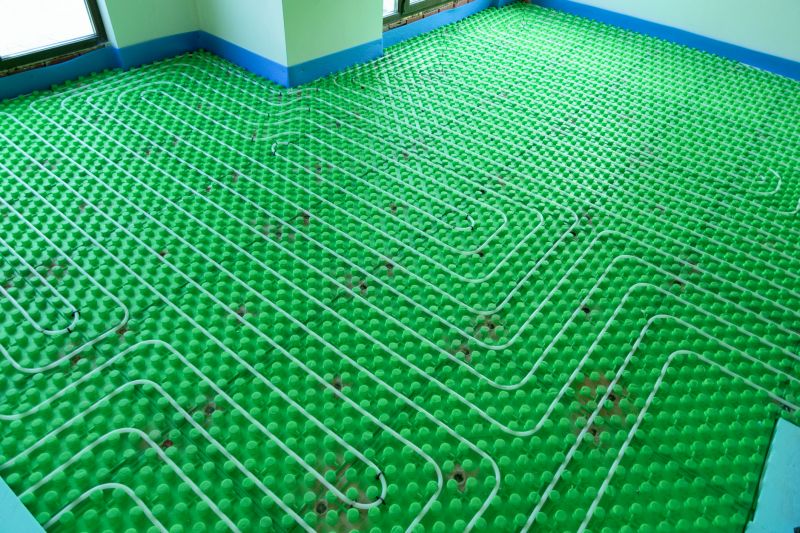
Popular materials for Radiant Heating Installations and why they hold up over time.
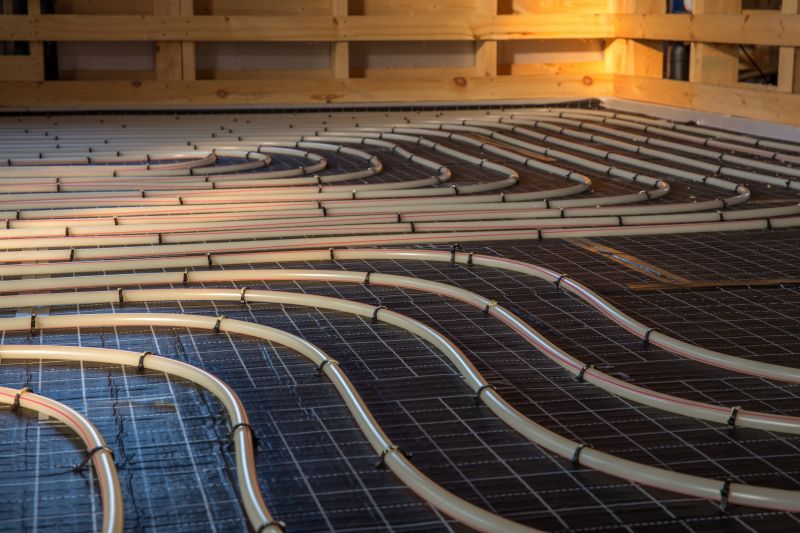
Simple add-ons that improve Radiant Heating Installations without blowing the budget.
| Season | Installation Suitability |
|---|---|
| Spring | Ideal for pre-winter setup, moderate weather facilitates installation. |
| Summer | Excellent for uninterrupted installation, prepares space for winter. |
| Fall | Suitable but may require expedited scheduling to ensure readiness. |
| Winter | Possible but more challenging due to cold weather and limited access. |
| Off-season | Flexible timing, often with reduced scheduling conflicts. |
Interested in radiant heating installations? Filling out the contact form can provide more information about scheduling and system options tailored to specific needs.